
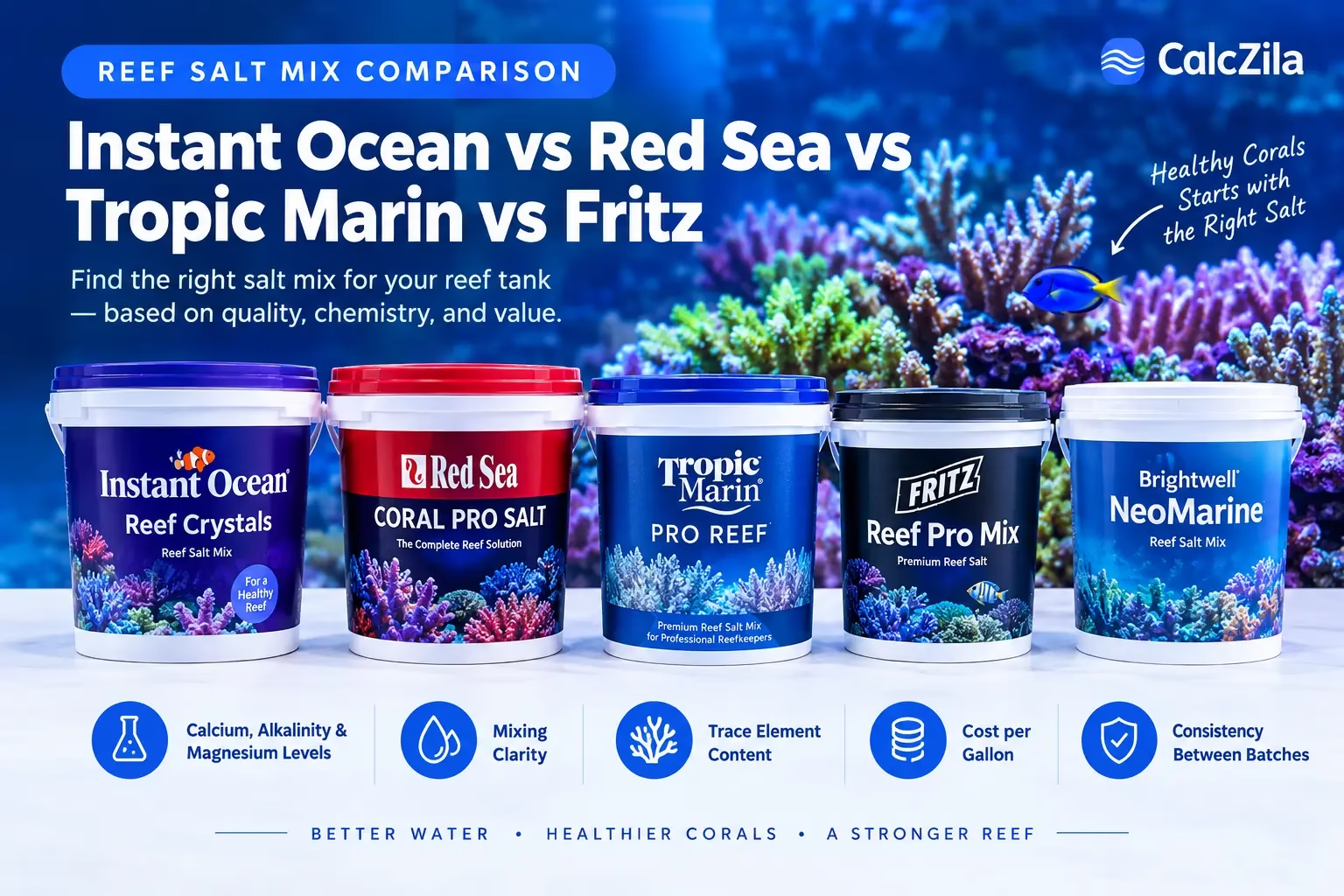
Reef Salt Mix Comparison: Instant Ocean vs Red Sea vs Tropic Marin vs Fritz
Walk into any reef keeping forum and ask which salt mix is best, and you will get a dozen different answers, often from people who have used every major brand on the market. The truth is that most reputable reef salt mixes can support a healthy tank when mixed correctly. What actually matters is which one matches your tank’s chemistry with the least adjustment, fits your budget, and mixes the way you expect.
What to Look For in a Reef Salt Mix
Before comparing specific brands, it helps to know what actually separates one salt mix from another:
- Calcium, alkalinity, and magnesium levels out of the bag — some mixes land close to natural seawater, others run higher to support fast-growing coral
- Mixing clarity — how quickly the salt dissolves and how much residue is left behind in the mixing container
- Trace element content — formulations aimed at reef tanks typically include more trace elements than basic fish-only mixes
- Cost per gallon — prices vary more than many people expect once you compare them on a per-gallon basis
- Consistency between batches — some hobbyists report certain brands testing slightly different from bucket to bucket
Reef Salt Mix Comparison Table
These numbers are approximate and change with pail size, retailer, and region, so treat the table as a starting point rather than a fixed price guide.
Instant Ocean Reef Crystals
Instant Ocean is one of the most widely used reef salt mixes, largely because of its price and availability. It is often recommended as a starting point for new reef keepers, since it produces parameters close to natural seawater without requiring major adjustments. Some users report it leaving more residue in the mixing container compared to premium brands, but this does not generally affect water quality once properly mixed and allowed to circulate.
Red Sea Coral Pro
Red Sea Coral Pro is formulated with elevated calcium and alkalinity levels, aimed at supporting faster coral growth, particularly for SPS-dominant tanks. It is collected from the Red Sea itself and marketed specifically toward reef systems rather than fish-only setups. It costs noticeably more per gallon than Instant Ocean, and some users prefer Red Sea’s standard formula over Coral Pro for tanks that do not need the elevated targets.
Tropic Marin Pro Reef
Tropic Marin has a loyal following among experienced reef keepers, particularly those running SPS-heavy systems. It is known for clean dissolution and consistent parameters batch to batch. It is also one of the more expensive options on this list. Opinions on forums are genuinely split here: some long-term users say it is worth every extra dollar, while others who switched to it after years on a cheaper mix say they could not identify a meaningful difference in their tank.
Fritz Reef Pro Mix
Fritz has grown in popularity in recent years, especially at local fish stores. Its main advantage is how quickly it mixes compared to some other brands, which matters for anyone doing frequent water changes on a tight schedule. Parameters land in a similar range to Instant Ocean and Red Sea, making it a reasonable middle option for mixed reef tanks.
Brightwell NeoMarine
Brightwell NeoMarine is made in the United States and is often chosen by reefers who want a balanced mix without an unusually high alkalinity target. It tends to come up less often in comparison articles than the four brands above, but it has a steady base of users who prefer its more moderate, natural-seawater-like profile.
What Real Reef Keepers Say
Long-running discussions on reef keeping forums reveal a consistent pattern. Many experienced hobbyists have tried several of these brands over the years, often switching due to price, local availability, or curiosity rather than any specific problem with their current mix. A common theme is that once a tank’s other parameters (calcium, alkalinity, and magnesium dosing) are dialed in, the specific salt brand matters less than people initially expect. Several long-term users who switched from a budget mix to a premium one reported no meaningful difference in coral health, while others felt strongly that their premium mix justified the extra cost through cleaner mixing and more consistent results.
This lines up with how these products are manufactured. Reef salt mixes used by hobbyists are designed to replicate the same general composition described in recognized substitute ocean water standards, which means the major brands are all working from a similar chemical target even if their specific formulations differ.
Which Salt Mix Should You Choose
- If you are just getting started or watching your budget, Instant Ocean Reef Crystals is a safe, well-documented choice
- If you are running an SPS-heavy tank and want elevated calcium and alkalinity out of the bag, Red Sea Coral Pro or Tropic Marin Pro Reef are both reasonable options
- If mixing speed matters because of a tight water change schedule, Fritz Reef Pro Mix is worth considering
- If you want a more moderate, natural-seawater-like profile without paying a premium, Brightwell NeoMarine is a solid middle ground
Whichever brand you land on, your actual salinity after mixing matters more than the brand name on the bucket. Use a salt mix calculator to confirm how much to add for your tank volume, and once your salinity is stable, our calcium and alkalinity calculator can help you dose the rest of your water chemistry correctly.
Frequently Asked Questions
Which reef salt mix is the best overall?
Is a more expensive salt mix actually better?
Does the salt mix brand affect my salinity readings?
Can I switch salt mix brands without harming my tank?
Why do some salt mixes leave more residue than others?
Final Thought
Most of the disagreement around reef salt mixes comes down to personal preference and tank-specific needs rather than any one brand being objectively superior. Pick a reputable mix that fits your budget and coral load, confirm your mixed salinity rather than trusting the bag alone, and if you are just starting out, working from a beginner’s guide to starting a saltwater aquarium will help more than chasing the ‘best’ salt on the market.






One Comment
Comments are closed.