
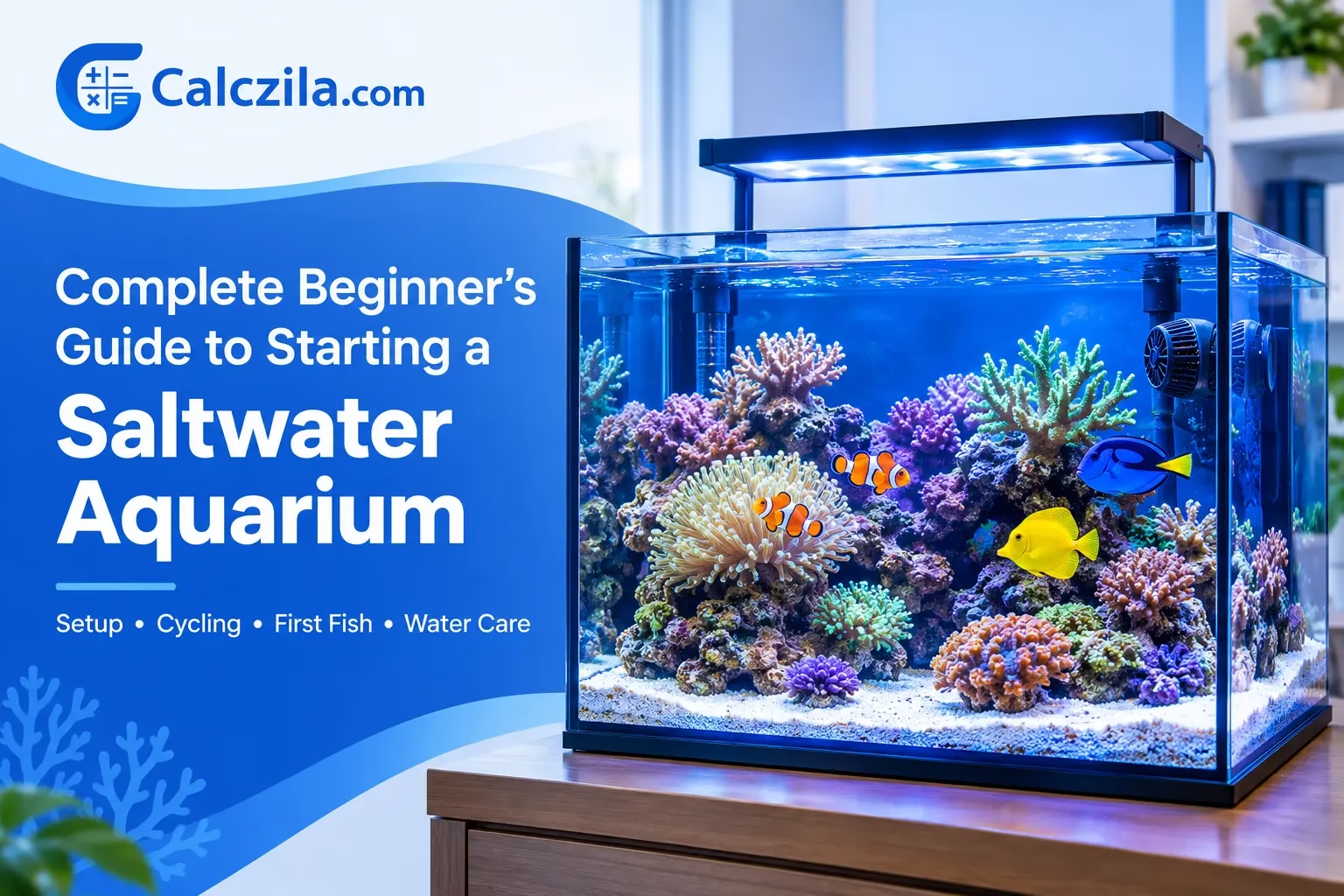
Complete Beginner’s Guide to Starting a Saltwater Aquarium
Starting a saltwater aquarium can feel overwhelming at first, between tank sizing, salt mixing, cycling, and figuring out which fish you can actually keep together. The good news is that almost every mistake new reef keepers make falls into one of a handful of predictable traps, and avoiding them from day one is far easier than fixing them after the fact. This guide walks through the full process in order, from the first equipment purchase to adding your first fish.
What You’ll Need Before You Start a Saltwater Aquarium
- Tank (30 to 50 gallons is generally easier to keep stable than anything smaller for a first saltwater tank)
- Filtration system (sump, canister, or hang-on-back, depending on your tank size and budget)
- Heater sized for your tank volume, plus a reliable thermometer
- Protein skimmer (optional for small, lightly stocked tanks, but useful for most setups)
- Lighting suited to whether you plan to keep fish only or corals
- Powerhead for water circulation
- RO/DI water source and a salt mix
- Basic test kit for ammonia, nitrite, nitrate, and salinity
- Substrate and rock (live or dry, depending on how fast you want to cycle)
Choosing the Right Tank Size and Location
Bigger tanks are generally more forgiving for a beginner saltwater aquarium, since water parameters shift more slowly in a larger volume. A 30 to 50 gallon tank is a common starting point that balances stability against cost and space. Place the tank away from direct sunlight and drafts, both of which make temperature and algae harder to control.
Setting Up Your Tank
- Rinse the tank, substrate, and any decorations with plain water, no soap or chemicals
- Add your substrate and rock first, since these form the base of your tank’s ecosystem
- Install your equipment, including the heater, filtration, powerhead, and lighting
- Mix and add your saltwater using RO/DI water and a quality salt mix, never tap water
Mixing and Adding Saltwater
Salt mix needs to be fully dissolved in a separate container before it goes into the tank, since adding undissolved salt directly can shock anything already living in the water. Whichever brand you choose, it helps to convert your salinity readings to confirm you have actually reached your target rather than guessing based on the bag’s instructions alone. If you are still deciding between brands, our guide comparing popular salt mix brands breaks down the differences between the most common options.
Cycling Your Tank: The Most Important Step
Cycling is the process of growing enough beneficial bacteria in your filter to safely process fish waste. It is also the step most beginners are tempted to rush, and rushing it is one of the most common reasons a new saltwater aquarium loses fish early on.
Test ammonia, nitrite, and nitrate every two to three days during this process. Nitrification, the biological process behind cycling, depends on bacteria colonies building up gradually, which is why there is no reliable shortcut around the multi-week timeline. Keep lights off or limited during cycling, since bacteria do not need light and early algae growth is easier to avoid than remove later.
Choosing Your First Fish (and Avoiding Overstocking)
Once your tank is fully cycled, add fish slowly, a few at a time, rather than stocking up all at once. This gives your biological filter time to adjust to the added waste load. Before adding each new fish, it helps to check your stocking level based on your tank size and the adult size of the species you are considering, since many beginner mistakes come from using the fish’s size at the pet store rather than its full-grown size.
Overstocking does not always show up immediately. If your tank has been running for a while and you are noticing water quality or behavior changes, our article on the warning signs of overstocking walks through what to watch for.
Keeping Reef Chemistry Stable
If you plan to keep corals, calcium, alkalinity, and magnesium need regular attention once your tank matures past the cycling stage. These three parameters work together, and letting one drift too far out of range tends to destabilize the other two. A reef dosing calculator can help you figure out how much supplement to add once you know your current and target readings, rather than guessing based on a generic dosing schedule.
Common Beginner Mistakes to Avoid
- Adding fish before the tank has fully cycled
- Using the fish’s size at the store instead of its expected adult size when planning stocking
- Topping off evaporated water with saltwater instead of fresh RO/DI water, which slowly raises salinity over time
- Overfeeding, which adds unnecessary ammonia load during and after cycling
- Chasing a single “perfect” water parameter number instead of keeping values stable within a normal range
- Adding too many fish too quickly after the tank finishes cycling
A Simple First 8 Weeks Timeline
- Weeks 1 to 2: Set up equipment, mix saltwater, begin cycling, test ammonia every few days
- Weeks 2 to 4: Nitrite rises as ammonia falls, continue testing, keep lights limited
- Weeks 4 to 6: Nitrate appears, ammonia and nitrite should be trending toward zero
- Week 6 onward: Once ammonia and nitrite read zero consistently, add your first few hardy fish
A date calculator can help you count down your tank’s cycling period and plan out testing intervals or your next water change, especially if you are juggling this alongside a quarantine period for new fish.
Frequently Asked Questions About Starting a Saltwater Aquarium
How long does it take to cycle a new saltwater aquarium?
What size tank is best for a beginner saltwater aquarium?
Can I add fish before the tank finishes cycling?
Do I need a protein skimmer for a beginner saltwater tank?
How often should I test my water as a beginner?
Final Thought
Most of what makes a saltwater aquarium successful in the first few months comes down to patience, mainly resisting the urge to add fish or corals before the tank and your own testing routine are ready for them. Get your cycling, stocking, and water chemistry dialed in using the tools above, and the rest of your saltwater aquarium journey gets significantly easier from there.





One Comment
Comments are closed.