
Reef Calculator – Dose Calcium, Alkalinity & Magnesium Right
Our reef calculator helps you figure out how much calcium, alkalinity, or magnesium supplement to dose to reach your target level, based on your tank volume and current readings.
Keeping these three parameters balanced is one of the most important parts of running a stable reef tank, since corals pull calcium and alkalinity out of the water constantly to build their skeletons, and getting dosing wrong in either direction can cause more harm than doing nothing at all. This tool is part of CalcZila’s growing library of free aquarium calculators, built to help reef keepers dose with less guesswork.

How Our Reef Calculator Works
Enter your tank volume, choose the parameter you want to dose (calcium, alkalinity, or magnesium), and enter your current and target readings. The reef calculator estimates how much of your chosen supplement to add to close the gap. You can also use it the other way around, entering a known dose to see how much it should raise your levels, which is useful for confirming a product’s stated potency against your own test results.
Results are estimates. Different supplement brands and formulations vary in strength, and factors like your test kit’s accuracy and how consistently you dose can shift the real-world outcome. Always confirm your actual levels with a reliable test kit rather than relying on the calculator number alone.
Understanding the Big Three: Calcium, Alkalinity & Magnesium
These three parameters are closely linked. Corals use calcium and carbonate (measured as alkalinity) together to build their skeletons, while magnesium helps keep calcium and alkalinity from precipitating out of the water when both are elevated at the same time. Letting one drift too far out of range tends to destabilize the other two.
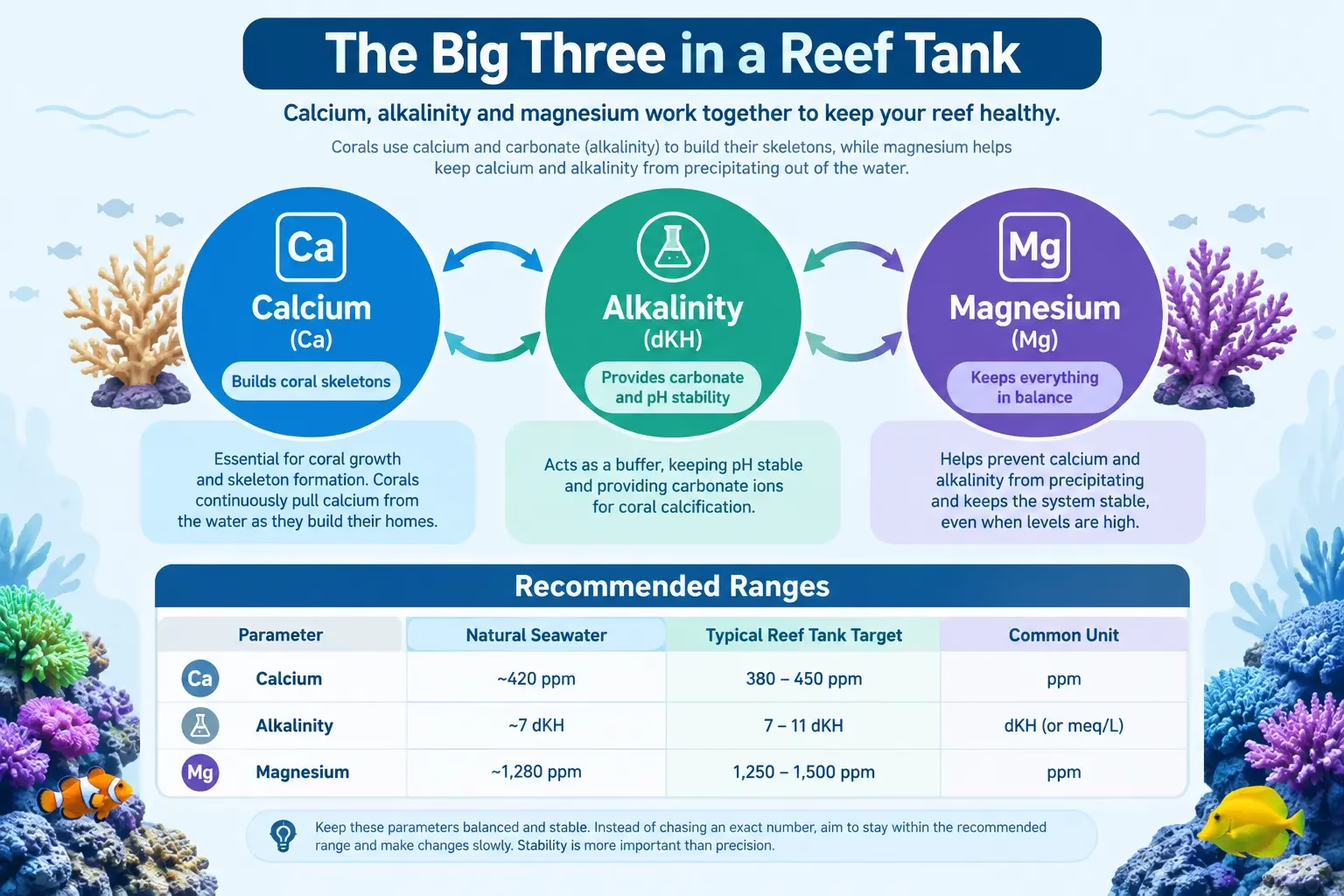
Most reef keepers aim to stay within these ranges rather than chasing an exact number, since corals generally adapt well to any stable value inside a normal range. Stability day to day matters more than hitting a precise target.
Two-Part Dosing vs Kalkwasser vs All-in-One
There are a few common ways to keep calcium and alkalinity topped up with a reef calculator’s help, and the right choice depends on your tank size, coral load, and how hands-on you want to be.
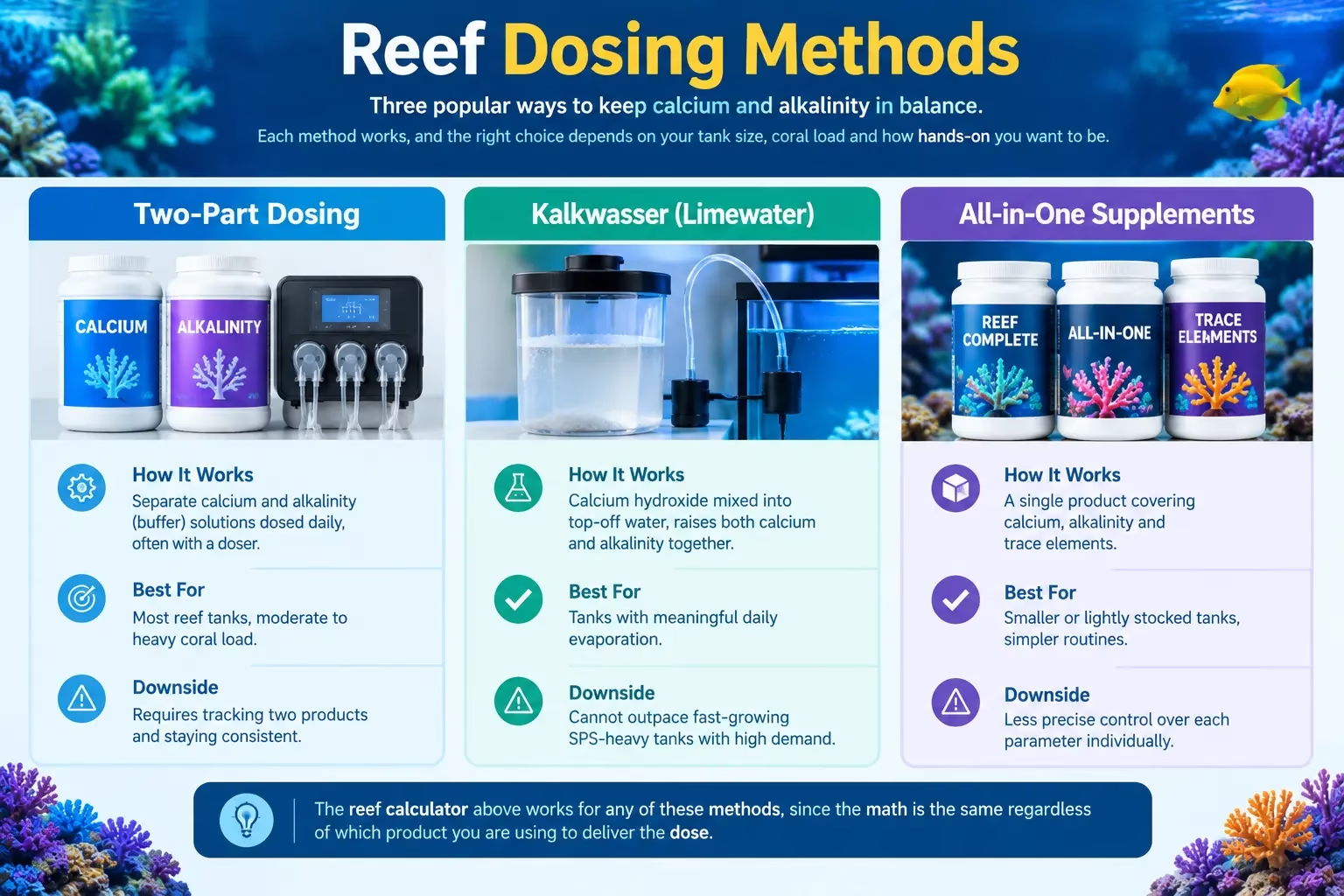
The reef calculator above works for any of these methods, since the math is the same regardless of which product you are using to deliver the dose.
How Much Should You Dose Each Day
Your daily dose depends on how much calcium and alkalinity your corals are actually consuming, which is different for every tank. A simple way to estimate this:
- Stop dosing and pause water changes for two to three days
- Test calcium, alkalinity, and magnesium at the same time each day
- Calculate the daily drop for each parameter (for example, alkalinity falling from 9.0 to 8.2 dKH over two days means roughly 0.4 dKH consumed per day)
- Use that daily consumption number as your target for how much the reef calculator’s dose should replace each day going forward
Once you know your tank’s consumption rate, dosing with the reef calculator becomes a matter of maintenance rather than guesswork, and you will only need to recheck it periodically as your coral load grows.
How Fast Can You Safely Raise Your Levels
If a parameter has drifted low, raising it too quickly can stress corals more than the low level itself. A commonly used guideline among experienced reef keepers is to avoid increasing any of these three parameters by more than roughly 100 ppm (or about 1 to 1.5 dKH for alkalinity) in a single day, and to spread larger corrections out over several days instead.
- Calcium: raise gradually, no more than about 50 to 100 ppm per day
- Alkalinity: raise gradually, no more than about 1 to 1.5 dKH per day
- Magnesium: can typically be raised a bit faster than calcium or alkalinity, but large jumps should still be spread across a few days
If your current reading is far below target, use the reef calculator to get the full dose needed, then split that amount across several days rather than dosing it all at once.
Does Salinity Affect Your Dosing?
Yes, indirectly. Salinity influences how much calcium and alkalinity your water can naturally hold in solution, so a tank running at a different salinity than expected can throw off how your dosing numbers compare to typical reef guidelines. If your calcium or alkalinity readings seem unusually hard to stabilize, it is worth checking your actual salinity with our Salinity Calculator before adjusting your dosing routine, since correcting salinity first often makes calcium and alkalinity easier to manage.
Calcification research also shows that coral skeleton growth depends on the availability of dissolved carbonate ions in seawater, which is part of why keeping both calcium and alkalinity in a stable, balanced range matters more than optimizing either parameter in isolation.
Common Mistakes to Avoid
- Dosing calcium and alkalinity in large, infrequent amounts instead of smaller daily doses
- Adjusting magnesium as an afterthought, when a low magnesium level is often the reason calcium and alkalinity are hard to stabilize in the first place
- Chasing a single “perfect” number instead of holding a stable value within the normal range
- Increasing coral stocking without rechecking your tank’s daily consumption rate, since a heavier bioload and coral load both increase demand over time; our Aquarium Stocking Calculator can help you keep track of how your overall stocking has changed
- Testing with an old or improperly calibrated kit, which can make a stable tank look like it is swinging when the real issue is test accuracy
Frequently Asked Questions
Final Thought
Calcium, alkalinity, and magnesium work as a system, not three separate numbers. Use this reef calculator to figure out your dose, but build your routine around your tank’s actual daily consumption rather than a fixed amount, and recheck your levels periodically as your coral load changes. For more free tools like this one, explore the rest of CalcZila’s aquarium and everyday calculators.