
Aquarium Stocking Calculator – See If Your Tank Is Overstocked
Check before you add more fish. Aquarium Stocking Calculator looks beyond the inch-per-gallon rule, using actual bioload, tank shape, and species type to tell you how stocked your tank really is in seconds.
Our aquarium stocking calculator helps you estimate how many fish your tank can safely support before adding another fish to your setup. Overstocking is one of the biggest reasons new fish keepers lose fish within the first few months, and most people find out too late that their tank was never built to hold that many fish in the first place.
The result gives you a practical estimate based on tank dimensions, adult fish size, species characteristics, and other stocking factors, not a fixed guarantee.
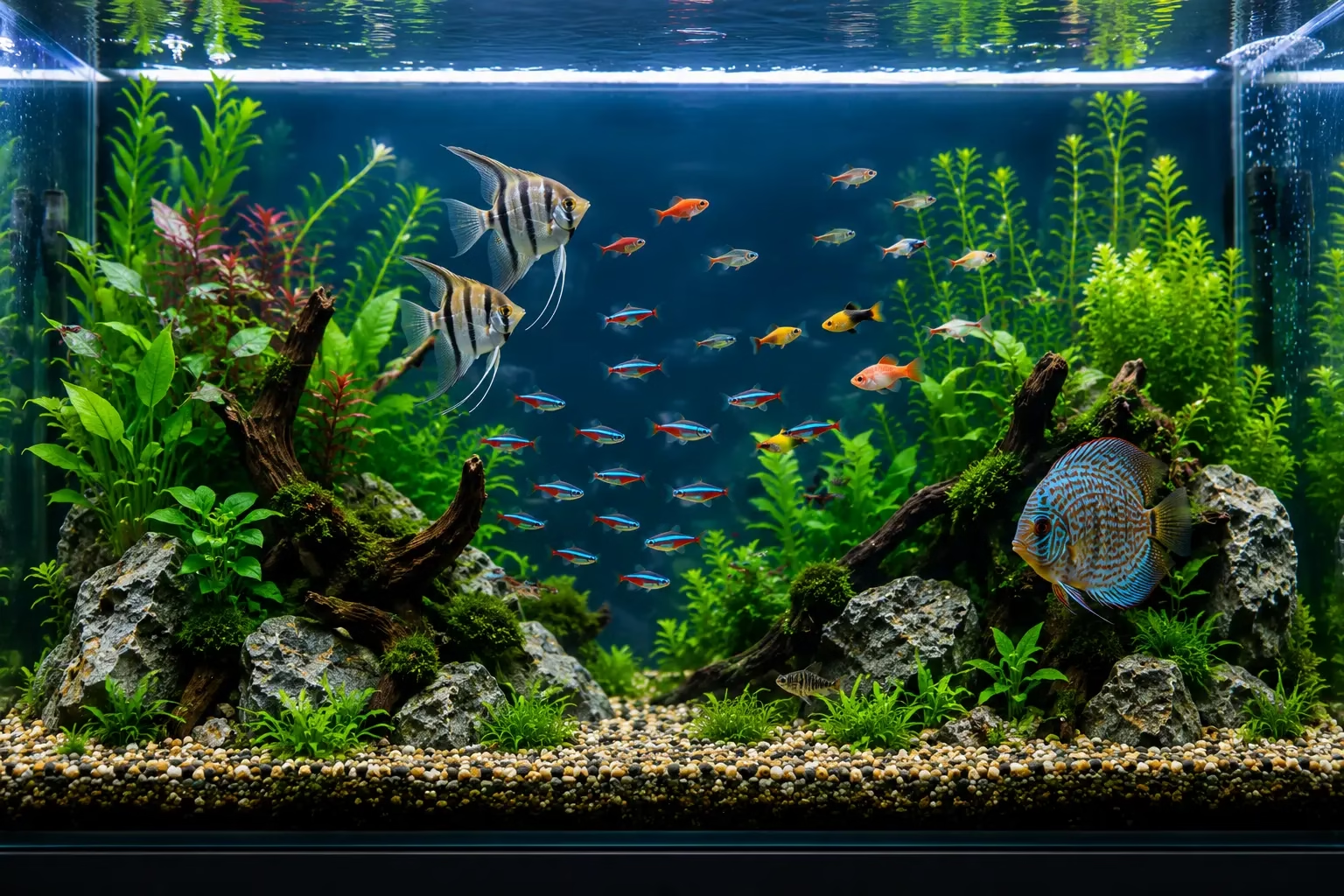
How Our Aquarium Stocking Calculator Works
Enter your tank size, then add the fish species and quantity you want to keep. The aquarium stocking calculator checks your inputs against adult fish size, waste output, and swimming space, then tells you if your tank is understocked, fully stocked, or overstocked. Unlike basic tools that only look at gallons, this calculator factors in how each species actually behaves in a shared tank.
Always enter the adult size of a fish, not the size it was when you bought it. A neon tetra sold at one inch can still only grow to about 1.5 inches, but a common pleco sold at two inches can reach over a foot long. Using juvenile size in any stocking calculator will give you a number that looks safe today and turns dangerous in six months.
Why the Inch-Per-Gallon Rule Falls Short
Most beginners learn the inch-per-gallon rule first: one inch of fish per gallon of water. It works fine for small, slim-bodied fish like tetras, danios, and rasboras. It breaks down completely for anything with a deeper body or a higher waste output.
A single four-inch goldfish produces far more waste than four one-inch tetras combined, yet the inch-per-gallon rule would treat them as equal. This is why an aquarium stocking calculator built only on this rule will always undercount the true bioload of larger or messier species.
The Surface Area Method
A more reliable approach looks at surface area instead of water volume. Oxygen enters your tank through the surface, not through the glass, so a short, wide tank can hold more fish than a tall, narrow tank of the same volume.
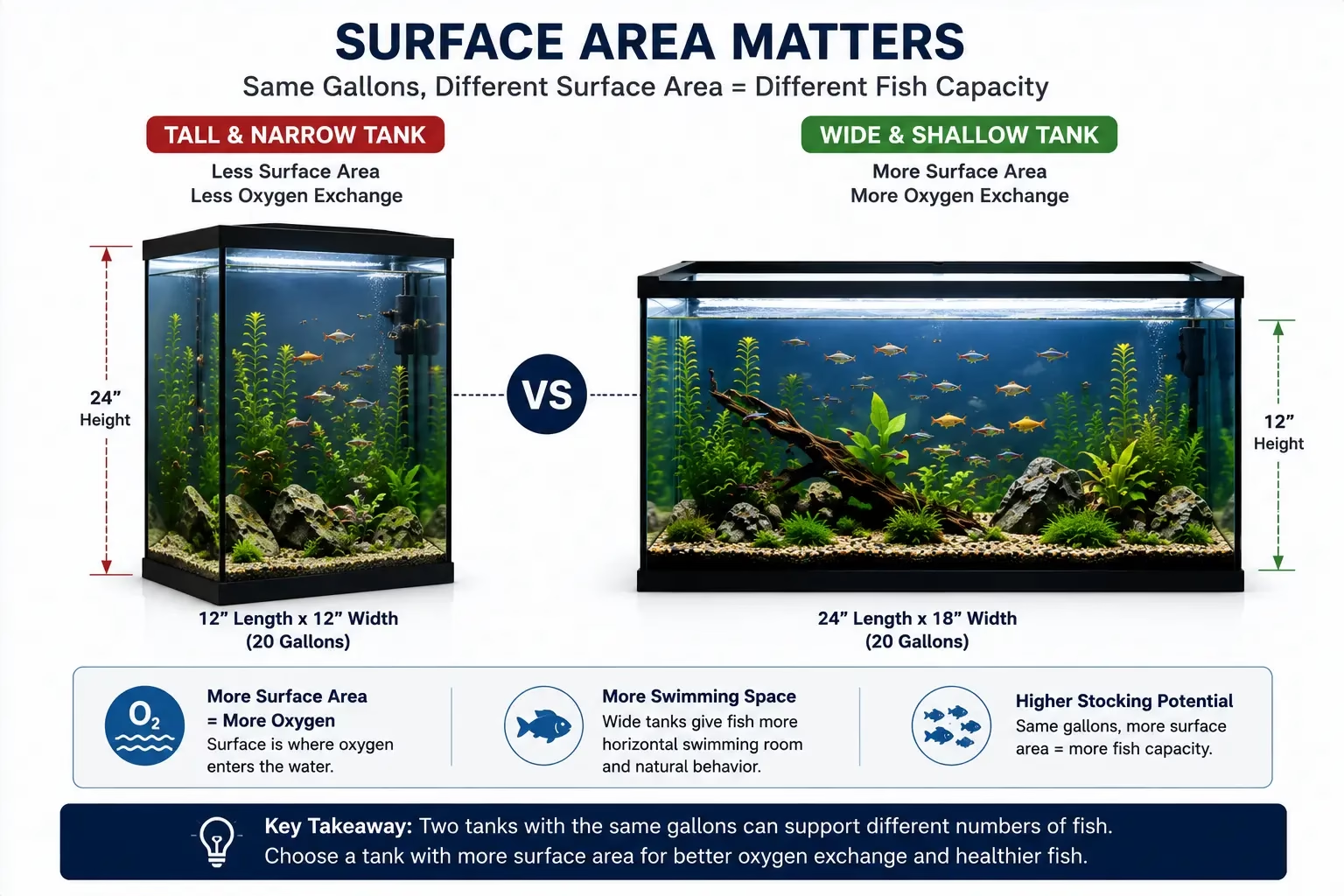
A common reference point is length multiplied by width, divided by roughly twelve square inches per inch of fish for slim-bodied species, or around twenty for heavy-bodied species. This is a guideline rather than a fixed rule, but it explains why two tanks holding the same number of gallons can have very different stocking limits, and it is one of the checks built into our stocking calculator.
Planning your aquarium setup often means juggling other schedules too. If you are tracking key dates alongside your tank goals, our Date Calculator can help you count days to your next water change cycle or fish quarantine period, and our Business Days Calculator is useful if you are coordinating shipment or delivery timelines for livestock and equipment. For personal milestones along the way, check out our Age Calculator or explore our full list of free calculators for more everyday tools.
Bioload: The Most Accurate Way to Calculate Stocking
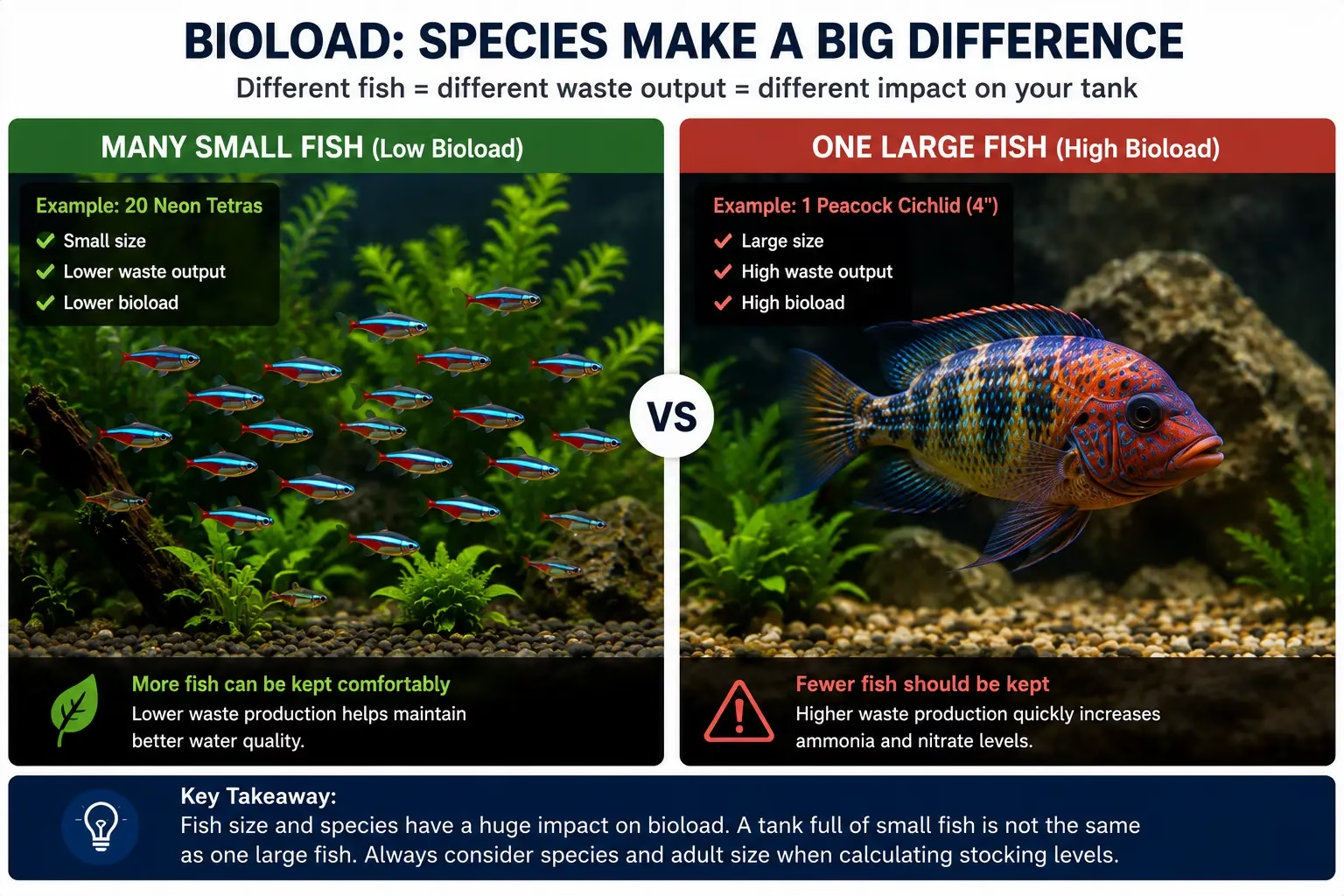
The most precise method looks at bioload, which is the total waste and oxygen demand a fish creates. Every species carries a different relative bioload, with slim, light-waste fish like tetras sitting on the low end and heavy, messy fish like goldfish and large cichlids sitting on the high end.
Our calculator uses a relative bioload score to compare fish types against each other. It is an estimate built for comparison, not a standardized scientific measurement, since actual waste output also depends on diet, size, and metabolism.
This is the method our aquarium stocking calculator leans on most heavily, because it accounts for the real difference between a tank full of small peaceful fish and a tank with just a few large, messy ones. A tank can look understocked by the inch rule and still be overstocked by bioload.
Filtration and Overstocking: What Real Aquarists Say
Experienced fish keepers on aquarium forums generally agree on one thing: filtration turnover matters as much as the stocking number itself. Many aquarists aim for several times the tank volume in flow per hour, though the ideal turnover depends on the filter design, media, species kept, and desired flow rather than one fixed number.
If your result indicates overstocking, treat it as a warning rather than something to compensate for with stronger filtration alone. Reducing your stocking level is generally the safer response.
Stronger filtration, more frequent water changes, and live plants that absorb nitrate can support a tank that is close to its limit, but they work best alongside a sensible stocking level, not as a substitute for one. Overstocked tanks are especially prone to ammonia buildup, which stresses fish and weakens their immune response even before visible symptoms appear.
Tips Before You Add More Fish
- Check adult size, not the size at the pet store
- Recalculate your actual water volume after substrate, rocks, and driftwood, since these can reduce true volume by ten to twenty percent
- Add fish in small groups and monitor ammonia and nitrite for a week before adding more
- Remember that air stones improve surface agitation and gas exchange; they do not add oxygen on their own
- Pair this tool with our Aquarium Salinity Calculator if you are setting up a brackish or marine system, and our reef dosing calculator if you are dosing a reef tank alongside your stocking plan
Frequently Asked Questions
Final Thought
Getting your stocking level right is one of the simplest ways to keep fish healthy long term. Use this calculator as a starting point, recheck it whenever you plan to add fish, and combine the result with good filtration, regular water changes, and species-specific research before making any final decisions.